
Rishi Directory
Explore 65 Vedic Rishis — the ancient sages whose wisdom and tapas established the spiritual lineages that continue to this day. Each rishi page features origin stories, family trees, Vedic contributions, and AI-generated portraits.
Some families trace their Gotra not to a rishi but to a dynasty, a divinity or a king. They are here too.
Saptarishis(7)
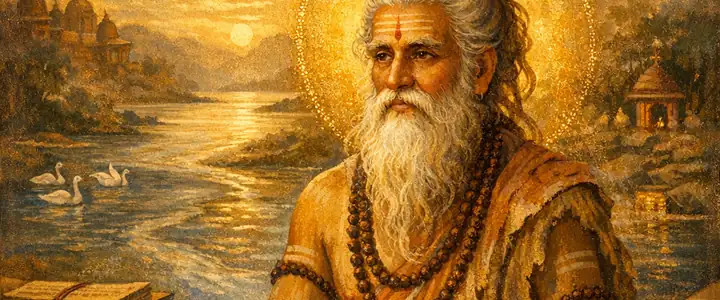
Bharadwaja
भारद्वाज
Son of the sage Brihaspati (guru of the Devas) and Mamata.
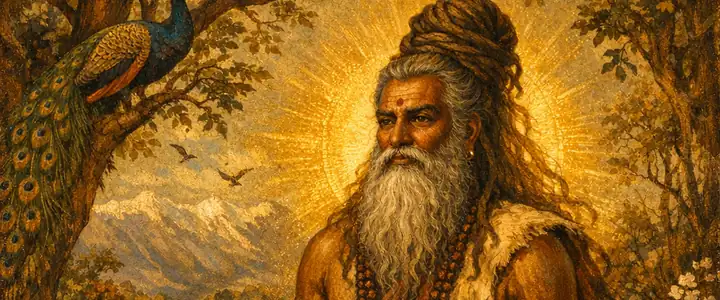
Kashyapa
कश्यप
Kashyapa was born from the mind of Brahma.
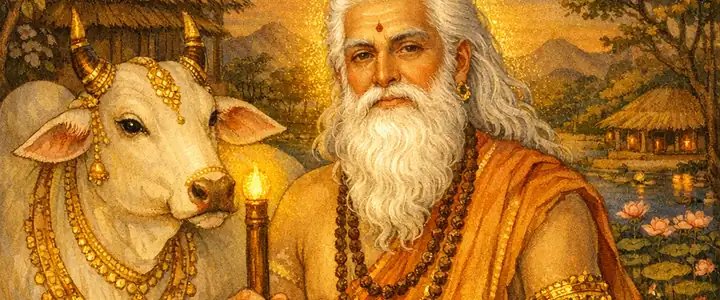
Vashishtha
वशिष्ठ
Vishnu Purana and Bhagavata Purana list Vashishtha among the original mind-born sons (manasaputras) of Brahma.
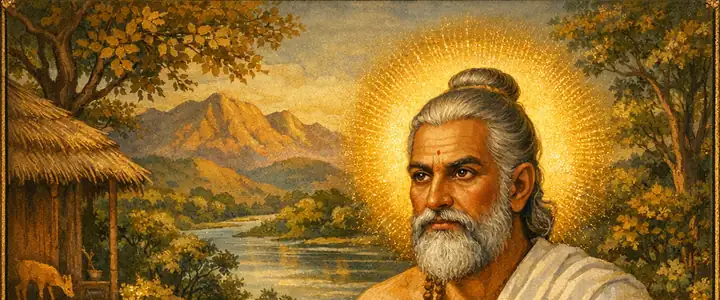
Gautama
गौतम
Gautama belongs to the Angirasa lineage.
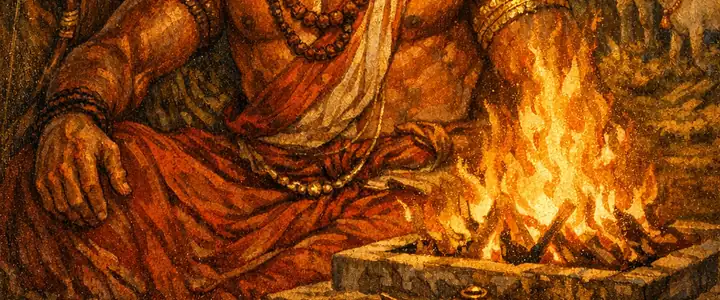
Jamadagni
जमदग्नि
Jamadagni is the son of Sage Richika and Satyavati (daughter of King Gadhi).
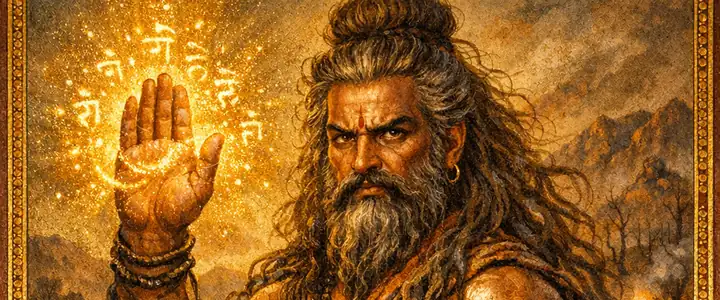
Vishwamitra
विश्वामित्र
Unlike all other rishis on this list, Vishwamitra was born as King Kaushika of the Chandravamsha (Lunar Dynasty), son of King Gadhi of Kanyakubja.
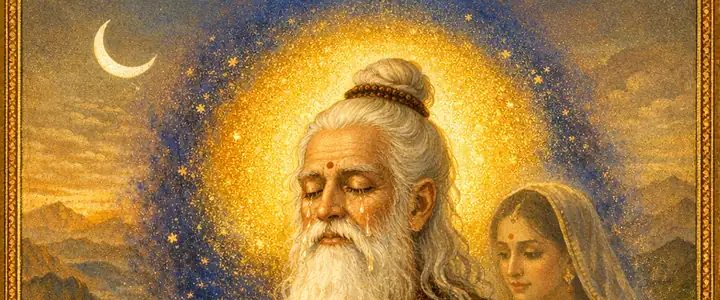
Atri
अत्रि
Atri was born from the eyes of Brahma according to Vishnu Purana.
Bhrigu Lineage(11)
Jamadagni
जमदग्नि
Jamadagni is the son of Sage Richika and Satyavati (daughter of King Gadhi).
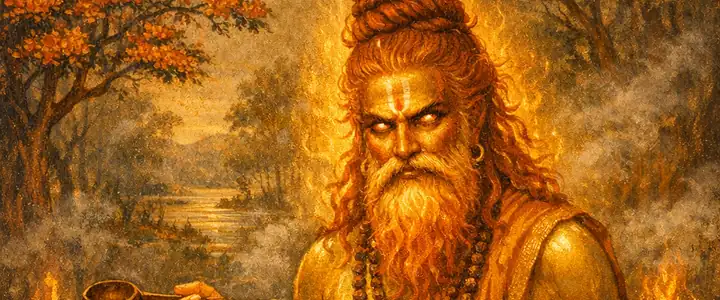
Bhrigu
भृगु
Bhrigu is credited with composing the Bhrigu Samhita, a vast astrological treatise said to contain the horoscopes of every soul that would ever be born.
Chyavana
च्यवन
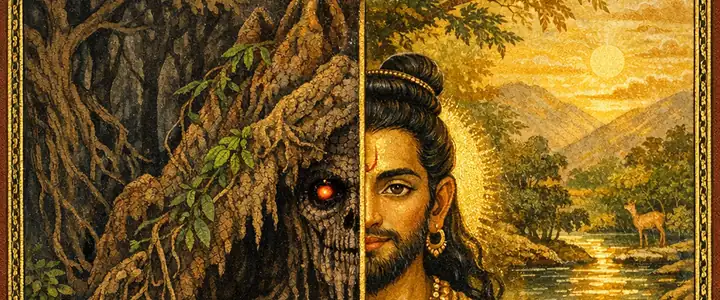
Chyavana was the son of Bhrigu and Puloma.
Aurva
और्व
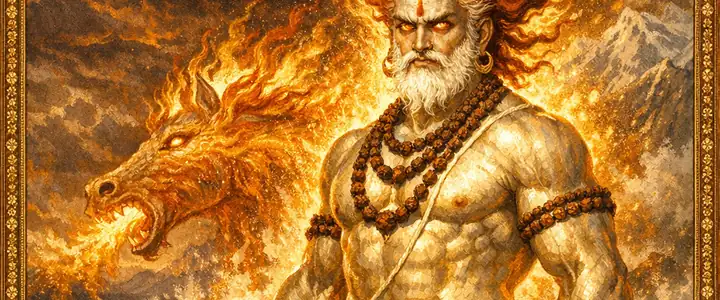
The Kshatriya kings of the Haiheya dynasty attacked the Bhargava Brahmins to seize their wealth.
Vatsa
वत्स
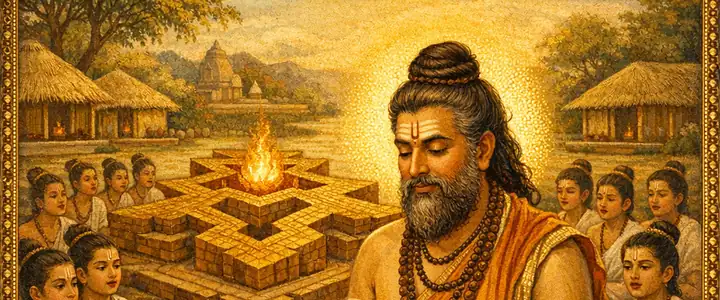
Vatsa (also called Vatsa Bhargava) belongs to the Bhargava sub-lineage and is part of the five-rishi Pravara (ancestral declaration) used by Bhargava Brahmins.
Srivatsa
श्रीवत्स
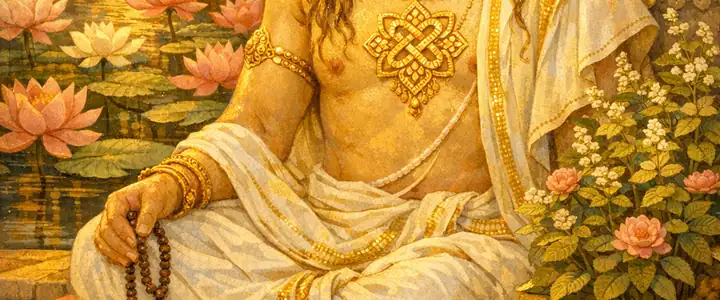
Srivatsa (also spelled Shrivatsa) is a Bhargava rishi whose name means "beloved of Sri (Lakshmi)."
Shaunaka
शौनक
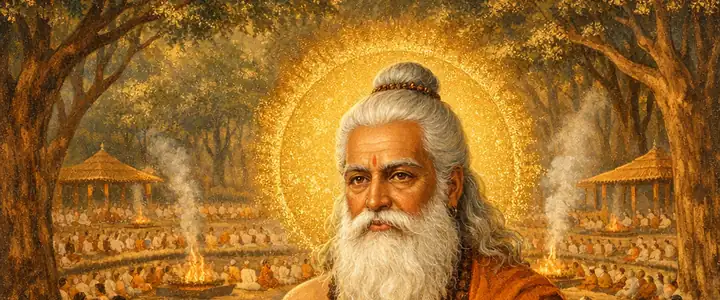
Shaunaka is the patronymic meaning "descendant of Shunaka."
Savarna
सावर्ण
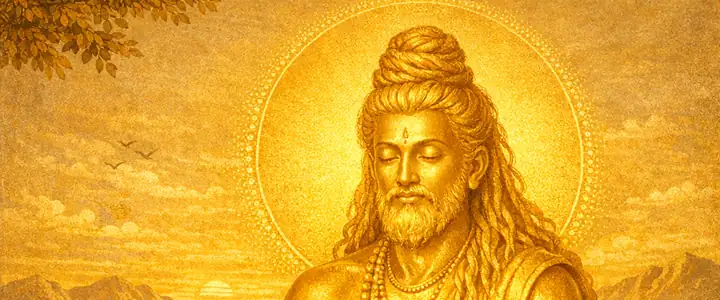
Savarna (also Savarna Bhargava) is a rishi whose name means "of the same varna/complexion."
Markandeya
मार्कण्डेय
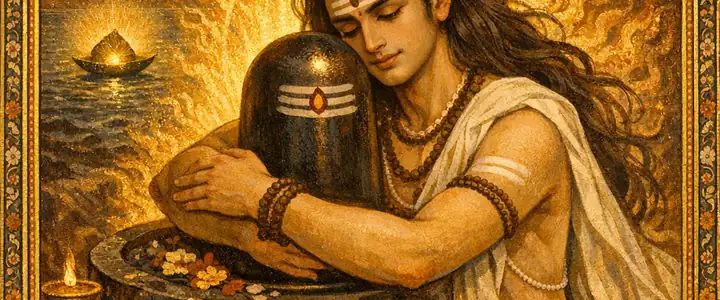
Born to sage Mrikandu (Bhrigu lineage) and wife Marudvati.
Mandavya
माण्डव्य
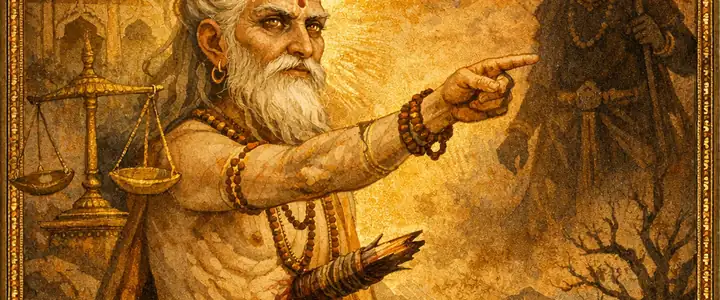
Rishi Mandavya, more fully known as Ani Mandavya ("Mandavya of the stake/spike"), is one of the most dramatically storied sages in Hindu literature.
Gritsamada
गृत्समद
Gritsamada is the seer to whom the Rigveda's second book is chiefly attributed. Texts agree that his line ends among the Bhrigus, but they do not agree on how.
Vashishtha Lineage(7)
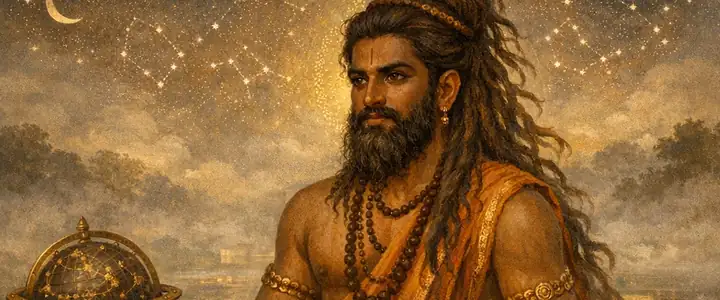
Parashara
पराशर
Parashara's origin is steeped in tragedy and redemption.
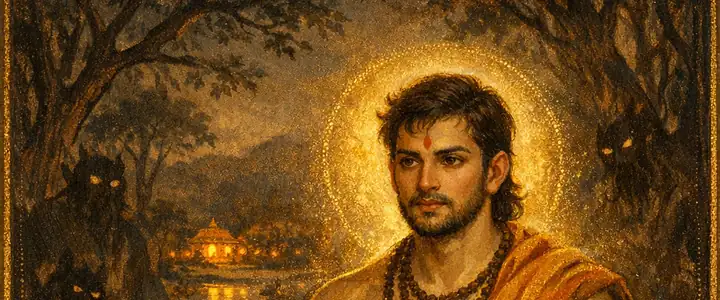
Shakti
शक्ति
Shakti was the eldest of the hundred sons of the great Saptarishi Vashishtha and his wife Arundhati.
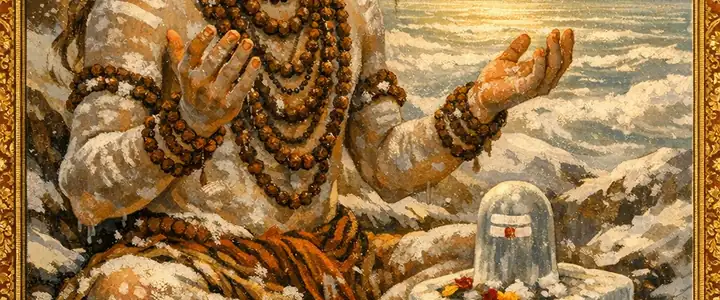
Upamanyu
उपमन्यु
Upamanyu was a disciple of Rishi Ayodha Dhaumya (also spelled Ayoda Dhaumya), who belonged to the Vashishtha lineage.
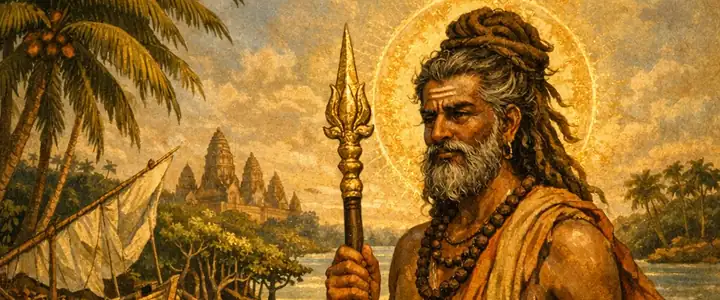
Kaundinya
कौण्डिन्य
Kaundinya belongs to the Vashishtha lineage, with the Pravara Vashishtha-Maitravaruna-Kaundinya.
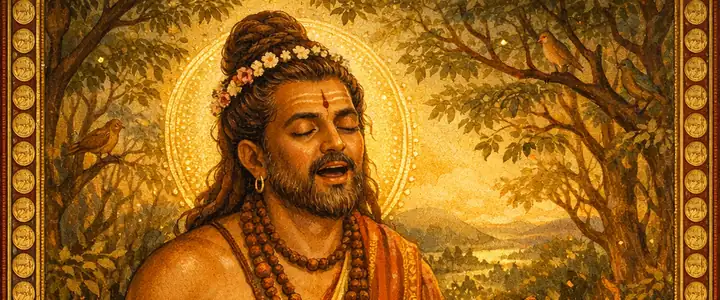
Dhananjaya
धनंजय
Rishi Dhananjaya is associated with the Vashishtha lineage and is connected to the Samaveda tradition.
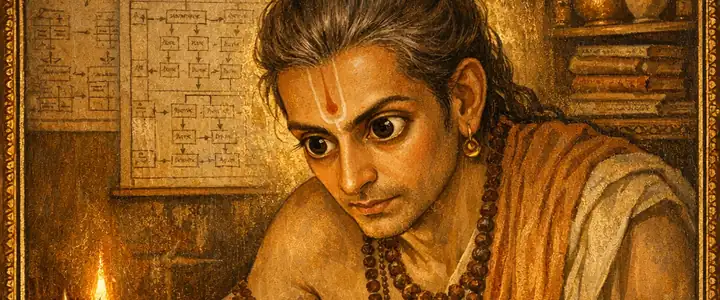
Laugakshi
लौगाक्षि
Laugakshi is a rishi-scholar associated with grammar (vyakarana) and philosophy, with particular connections to the Paippalada Samhita of the Atharvaveda.
Vyasa
व्यास
Vyasa, called Krishna Dvaipayana, is the sage tradition names as the arranger of the Vedas and the author of the Mahabharata. The Mahabharata makes him the son of Parashara and Satyavati, born on an island in the Yamuna.
Angirasa & Bharadwaja Lineage(12)
Bharadwaja
भारद्वाज
Son of the sage Brihaspati (guru of the Devas) and Mamata.
Gautama
गौतम
Gautama belongs to the Angirasa lineage.
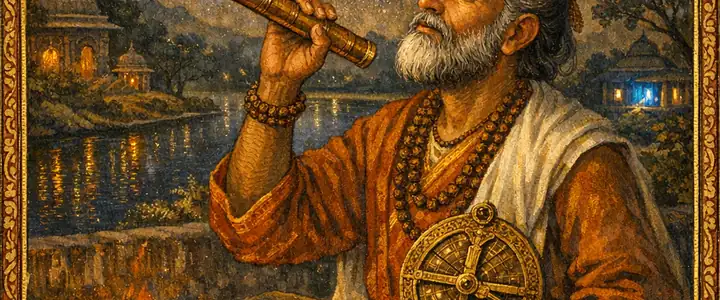
Garga
गर्ग
Rishi Garga's lineage is traced through the Angirasa clan, specifically through Bharadwaja and Brihaspati.
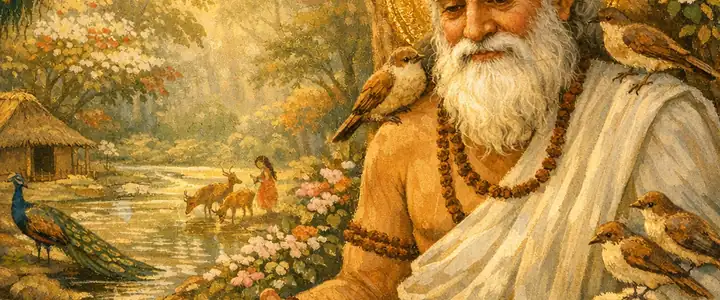
Kanva
काण्व
Rishi Kanva belongs to the Angirasa lineage, descending through the line of Ajamidha.
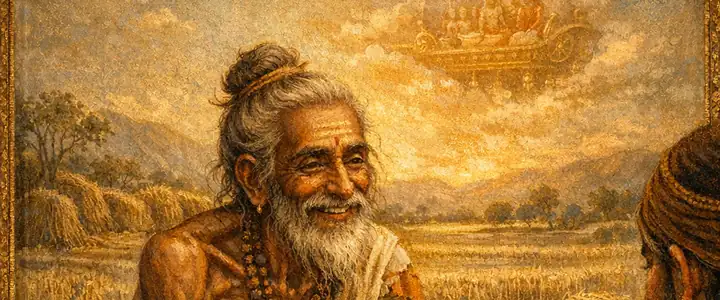
Mudgala
मुद्गल
Mudgala belongs to the Angirasa lineage, specifically through the line of Bharmyashva (a descendant of the Puru/Bharata dynasty who became a Brahmarshi).
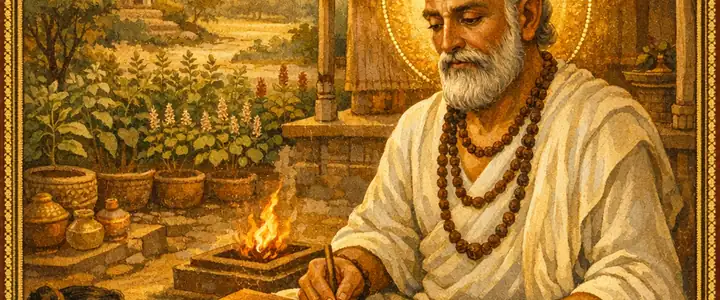
Harita
हरित
Harita is the name of an Angirasa sage of the Puranic lists, of a lawgiver whose dharma work survives in quotations, and of a pupil of Atreya in the medical tradition; the sources do not say whether they are one man.
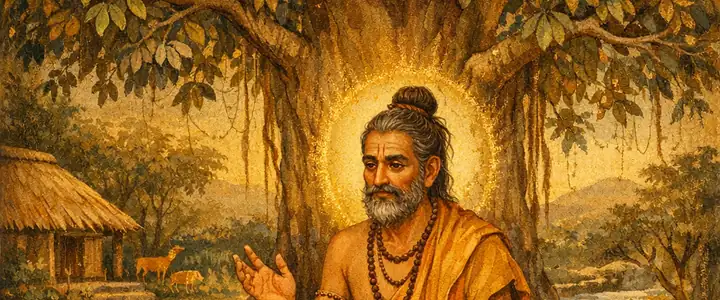
Maudgalya
मौद्गल्य
Maudgalya is a patronymic meaning "descendant of Mudgala."
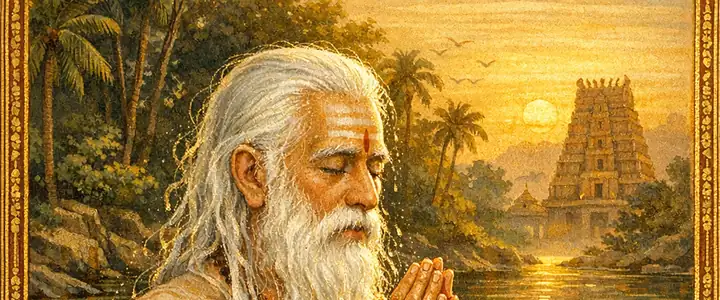
Shatamarshana
शतमर्षण
Shatamarshana belongs to the Angirasa lineage and is specifically classified as a Vedic rishi.
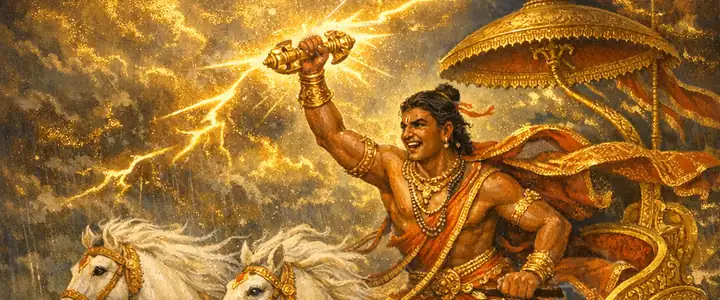
Kutsa
कुत्स
Kutsa (also called Kutsa Angirasa) is one of the most important Rigvedic rishis, belonging to the Angirasa lineage.
Bhalanda
भालन्द
Bhalanda (also spelled Bhalandra or Bhalanda) is an obscure Vedic rishi associated with the Samaveda recitation traditions.
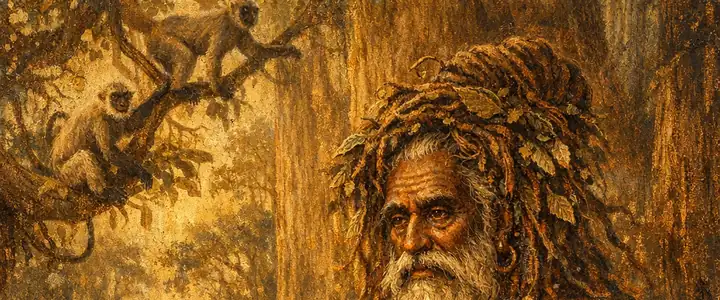
Kapi
कपि
Kapi is a sage of the Angirasa group. The Vishnu Purana makes him a son of King Urukshaya who became a Brahmin, and his name gives the Kapi gotra. He is not the Vrishakapi of Rigveda 10.86.
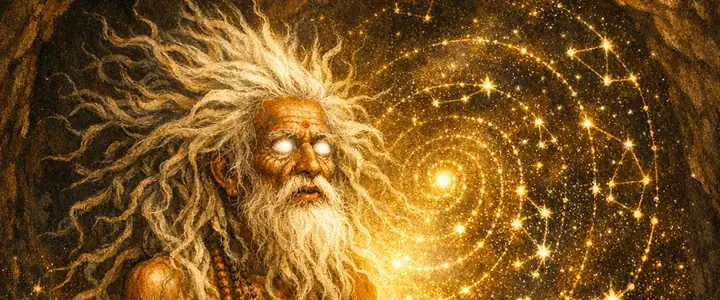
Dirghatamas
दीर्घतमस्
Dirghatamas Auchathya, son of Utathya and Mamata, of the Angirasa line, was born blind ("long darkness").
Kashyapa Lineage(7)
Kashyapa
कश्यप
Kashyapa was born from the mind of Brahma.
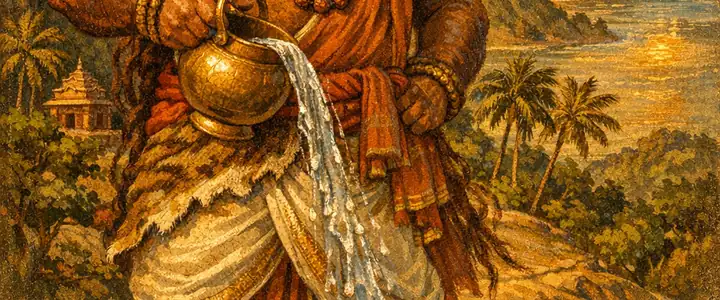
Agastya
अगस्त्य
Agastya has one of the most unique birth narratives in all of Hindu scripture.
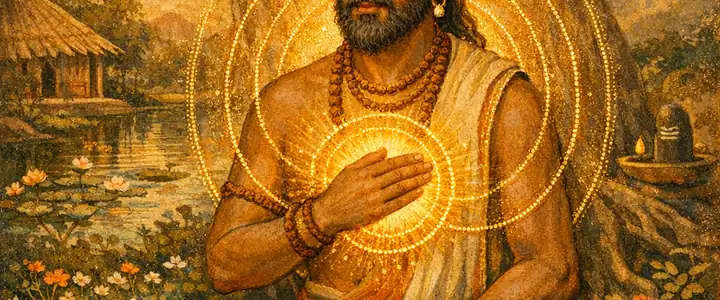
Sandilya
शाण्डिल्य
Sandilya belongs to the Kashyapa lineage.
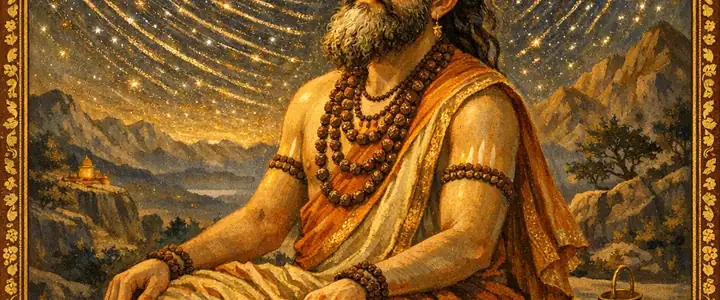
Naidhruva
नैधृव
Naidhruva is a patronymic meaning "descendant of Dhruva" or "related to Dhruva."
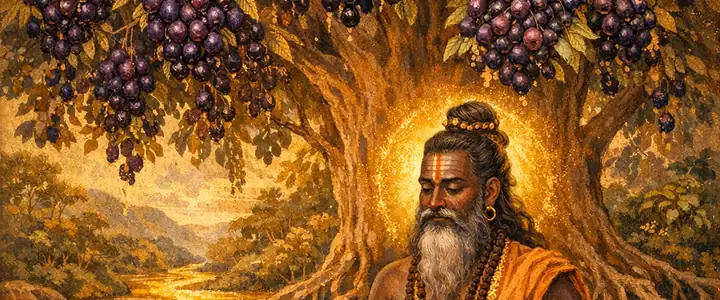
Jambu
जम्बू
Rishi Jambu is associated with the Kashyapa lineage and is connected to the Jambu tree (Syzygium cumini -- the Rose Apple or Jamun tree).
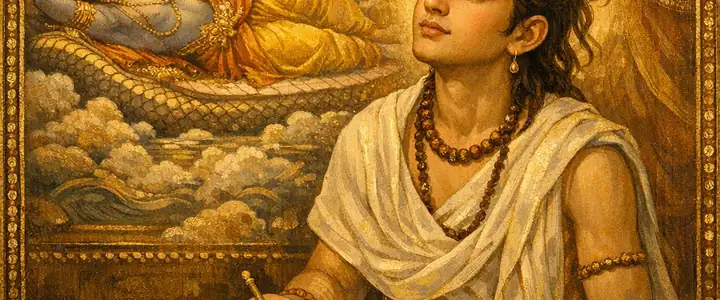
Maitreya
मैत्रेय
Rishi Maitreya is best known as the primary disciple of Rishi Parashara and the chief interlocutor (questioner) in the Vishnu Purana.
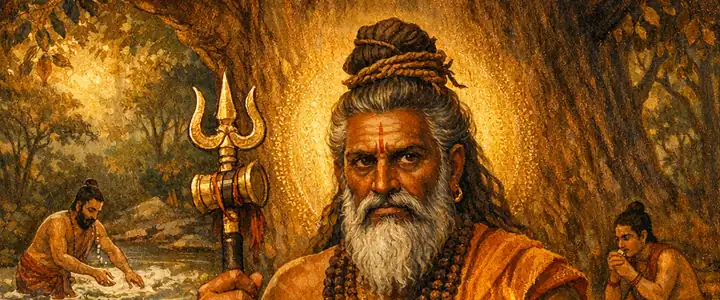
Dhaumya
धौम्य
Dhaumya is the sage of the Mahabharata who taught Aruni Uddalaka, Upamanyu and Veda, and who served as family priest (purohita) of the Pandavas through their marriage, exile and year in hiding.
Other Lineages(28)
Vashishtha
वशिष्ठ
Vishnu Purana and Bhagavata Purana list Vashishtha among the original mind-born sons (manasaputras) of Brahma.
Vishwamitra
विश्वामित्र
Unlike all other rishis on this list, Vishwamitra was born as King Kaushika of the Chandravamsha (Lunar Dynasty), son of King Gadhi of Kanyakubja.
Atri
अत्रि
Atri was born from the eyes of Brahma according to Vishnu Purana.
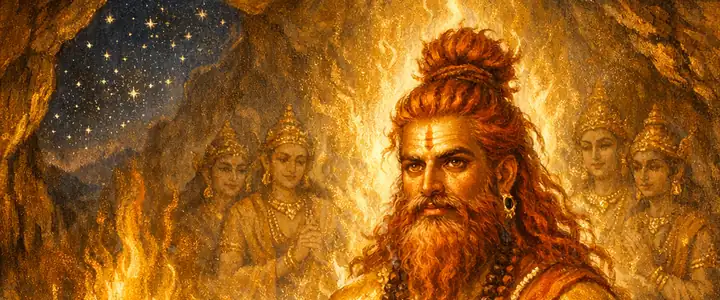
Angirasa
आंगिरस
Born from the mouth of Brahma according to Vishnu Purana and Bhagavata Purana.
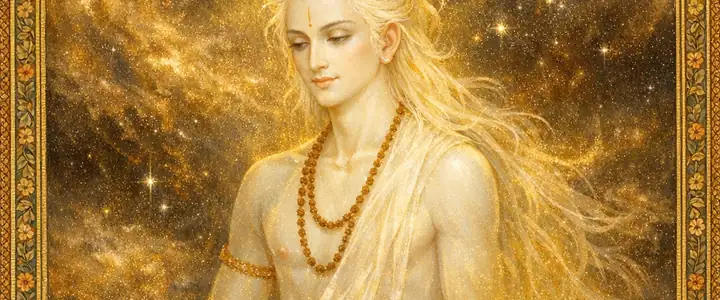
Marichi
मरीचि
Marichi was the very first of Brahma's manasaputras — born directly from Brahma's mind/thought at the beginning of creation.
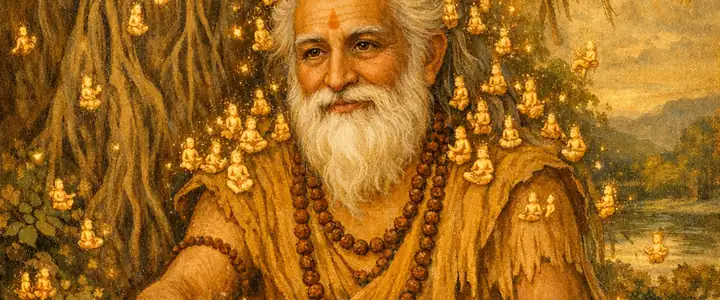
Kratu
क्रतु
Kratu was born from the hand of Brahma (some sources say from Brahma's creative will/sankalpa).
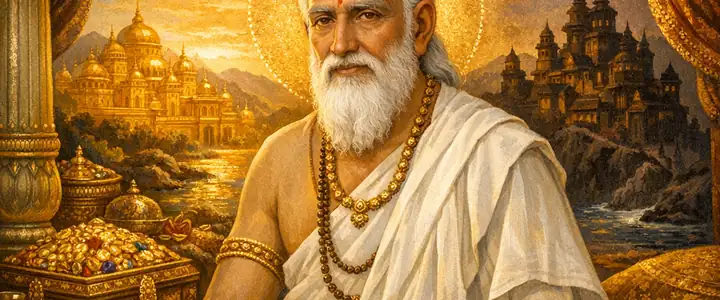
Pulastya
पुलस्त्य
Pulastya was born from the ears of Brahma.
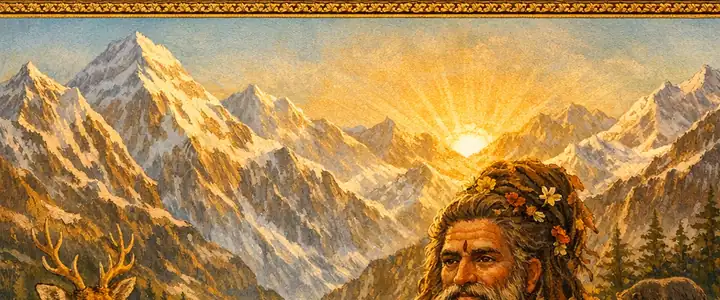
Pulaha
पुलह
Pulaha was born from the navel of Brahma (some sources say from the space between Brahma's eyebrows or from his creative thought).
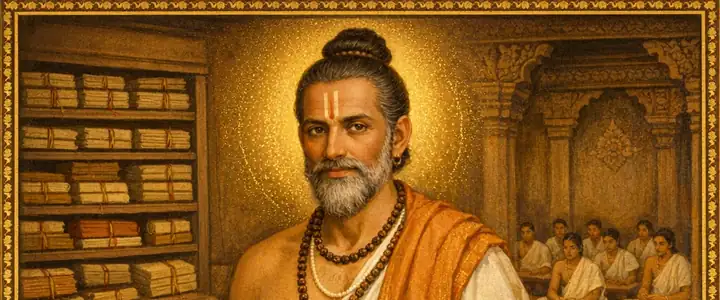
Katyayana
कात्यायन
Katyayana belongs to the Vishwamitra lineage, descending through the Kata sub-line (hence Katyayana -- "descendant of Kati").
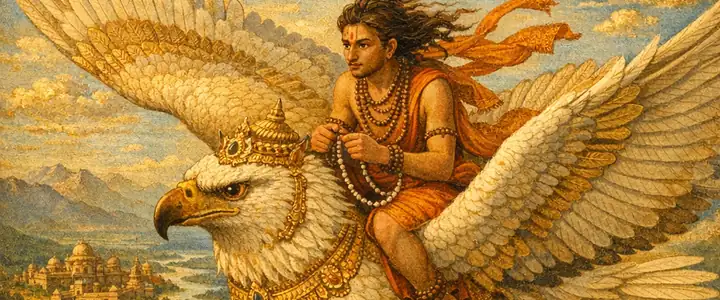
Galava
गालव
Galava is a famous rishi whose story is told in detail in the Mahabharata, in a section called the Galavopakhyana (the sub-story of Galava).
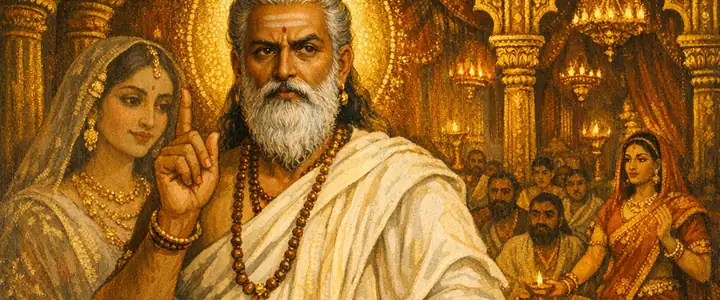
Yajnavalkya
याज्ञवल्क्य
Yajnavalkya, son of Vajasani (hence called Vajasaneya), was a pupil of Vaishampayana in the Krishna Yajurveda school.
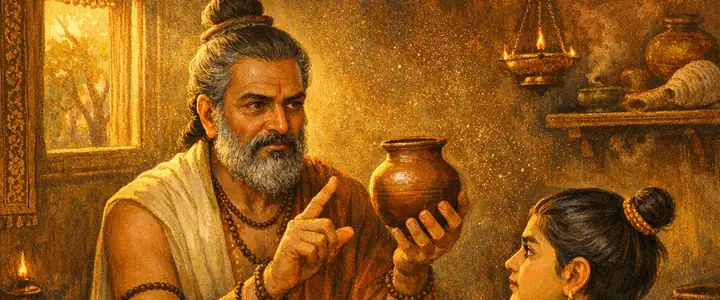
Uddalaka
उद्दालक
Uddalaka Aruni, son of Aruna, of the Gautama lineage, was a leading teacher of the Kuru-Panchala country.
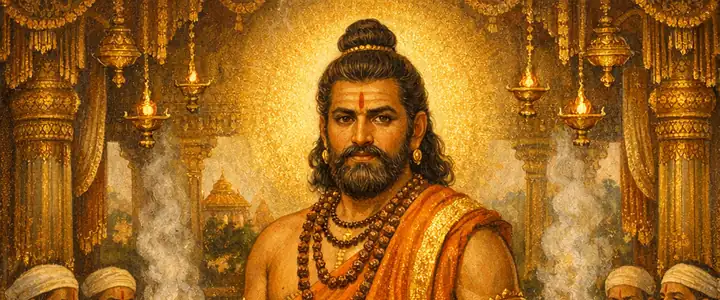
Jaimini
जैमिनि
Jaimini was a pupil of Veda Vyasa, who gave him the Samaveda to carry forward. He is named as the author of the Mimamsa Sutras, and the Jaiminiya branch of the Samaveda is called after him.
Apastamba
आपस्तम्ब
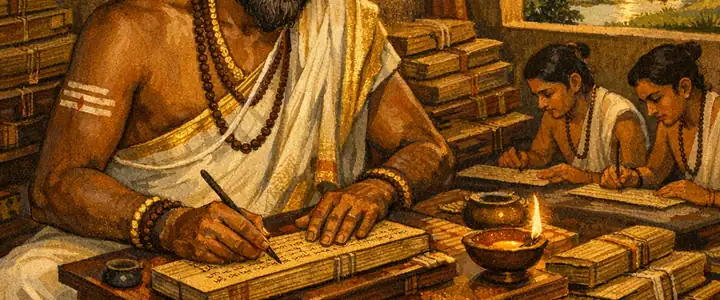
Apastamba is the author of one of the most complete Sutra collections of the Krishna Yajurveda (Taittiriya) tradition: the Apastamba Shrauta, Grihya and Dharma Sutras, in thirty prashnas.
Bodhayana
बोधायन
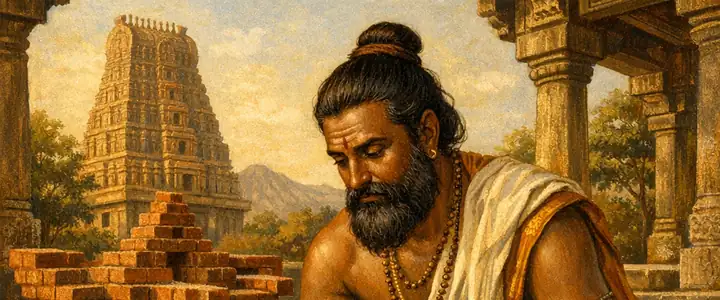
Bodhayana (Baudhayana) is the author of one of the oldest Sutra collections of the Krishna Yajurveda: the Baudhayana Shrauta, Grihya, Dharma and Shulba Sutras, with a chapter of gotra and pravara lists.
Dattatreya
दत्तात्रेय
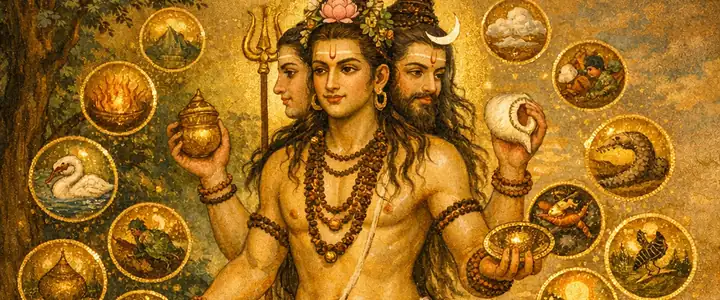
Dattatreya is the son of Rishi Atri and Anasuya, born, in the Puranas, as a portion of Brahma, Vishnu and Shiva together after the three gods tested Anasuya's virtue.
Tittiri
तित्तिरि
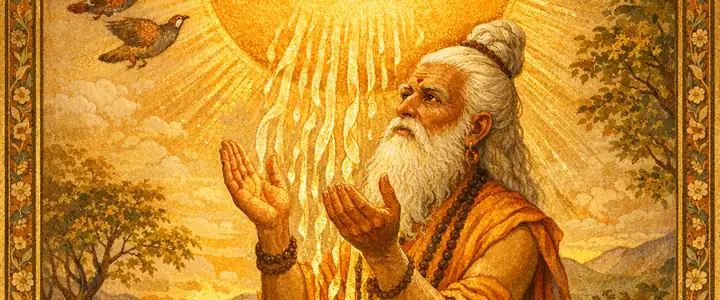
Tittiri is the teacher after whom the Taittiriya branch of the Krishna Yajurveda is named. The Puranas tell it as a partridge story; the Yajurveda index and Panini treat him as a human teacher.
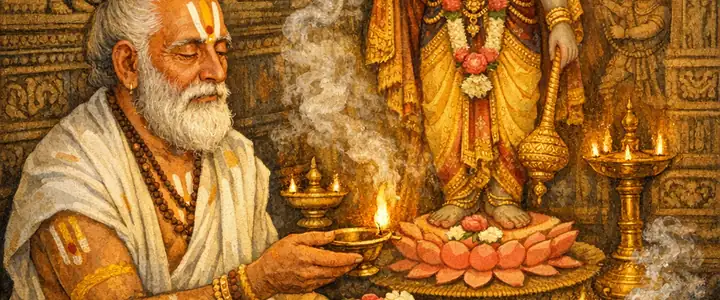
Vikhanas
विखनस्
Vikhanas is the sage who gives his name to the Vaikhanasa school of the Krishna Yajurveda, whose priests keep the Vaikhanasa Sutras and the Vaikhanasa Agamas of temple worship, above all at Tirumala.
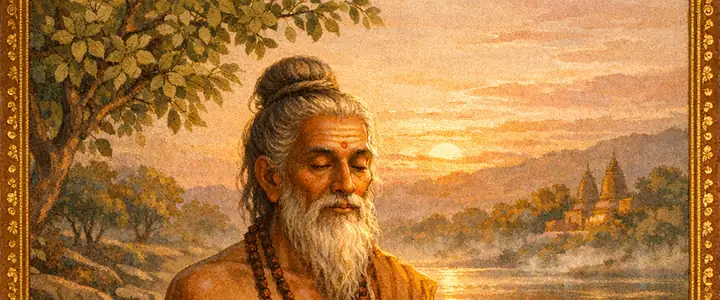
Upagava
उपगव
Upagava (Aupagava in the texts) is a name in the Vasishtha group of the gotra lists, and means a descendant of Upagu. Little else about him is preserved.
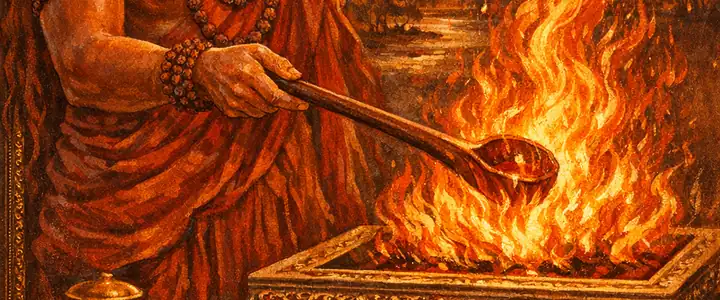
Lohita
लोहित
Lohita ("red") is a sage of the Vishwamitra (Kaushika) group, named in the Puranic lists of seers and in the pravara Vishwamitra, Lohita, Ashtaka. Beyond the lists, little is preserved.
Dadhichi
दधीचि
Dadhichi, or Dadhyanch, is the sage who gave his bones so the gods could make the thunderbolt against Vritra. The Rigveda knows him as Dadhyanch Atharvana, who taught the Ashvins with a horse's head.
Durvasa
दुर्वासा
Durvasa is the sage known for his temper, a son of Atri and Anasuya. The epics and Puranas show him arriving as a guest, testing his hosts, and cursing or blessing kings and gods.
Kapila
कपिल
Kapila is the sage tradition names as the founder of Samkhya. The Puranas make him a son of Kardama and a form of Vishnu, and link him to the story of Sagara's sons, but the texts do not settle that these are one person.
Narada
नारद
Narada is the travelling sage who carries news and advice between gods, kings and sages. The Rigveda, the epics and the Puranas describe him differently, and they do not agree on his origin.
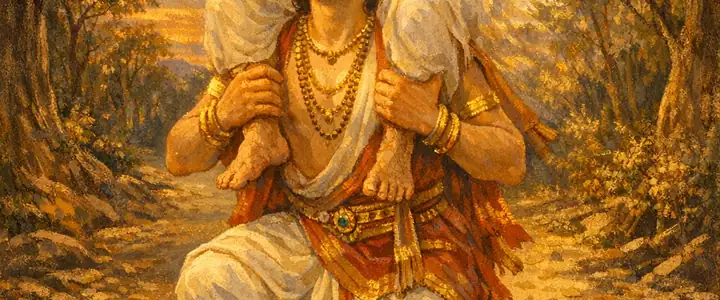
Nidagha
निदाघ
Nidagha is the pupil of Ribhu in a teaching story from the Vishnu Purana, and the listener in the Ribhu Gita. The Purana makes him a son of Pulastya.
Valmiki
वाल्मीकि
Valmiki is the sage to whom tradition attributes the Ramayana. In the epic he is a hermit by the Tamasa river who sheltered Sita and taught the poem to Lava and Kusha.
Vamadeva
वामदेव
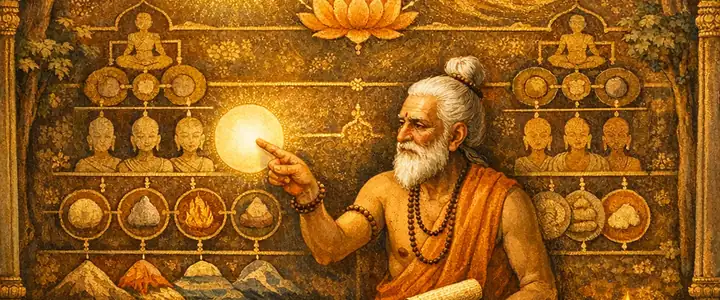
Vamadeva Gautama is the Rigvedic seer to whom the fourth book is attributed. The Aitareya Upanishad quotes his claim to have known the births of the gods while still in the womb.
Varshaganya
वार्षगण्य
Varshaganya is an early teacher of Samkhya, known from the Mahabharata and from later writers who list and quote him. No work of his survives and little else is known.
Vansh वंश Dynasty (2)
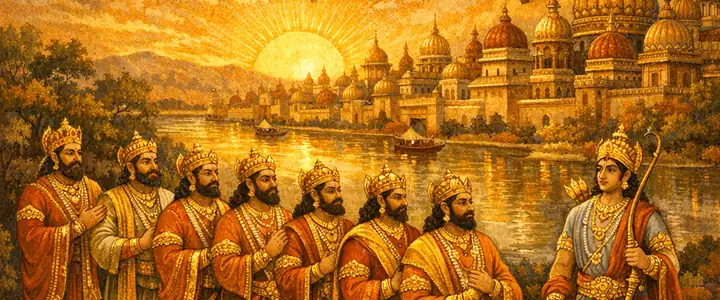
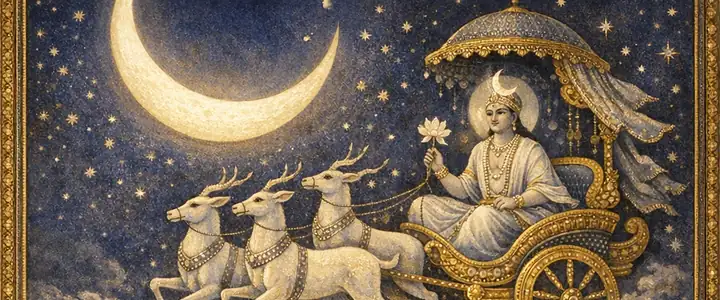
Royal lines descended from the Sun and the Moon, kept as Gotras by Kshatriya clans.
Suryavansha
सूर्यवंश
The Suryavansha (Solar dynasty) descends from Surya, the Sun, through Vaivasvata Manu and his son Ikshvaku, who founded the kingdom of Ayodhya. Many Rajput clans claim it.
Chandravansha
चन्द्रवंश
The Chandravansha (Lunar dynasty) descends from Soma, the Moon, son of Rishi Atri. Its two great branches are the Yadavas and the Pauravas; many Rajput clans claim it.
Devata देवता Divinity (2)
Divine founders of a Gotra.
Dhanvantari
धन्वन्तरि
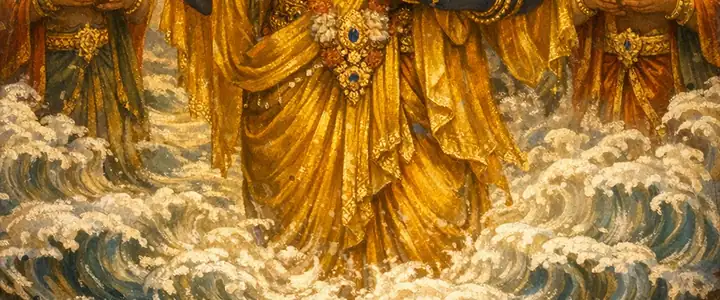
Dhanvantari is the physician of the gods, who rose from the churning of the ocean (samudra manthan) holding the pot of amrita. The Puranas also place him among the kings of Kashi.
Vivashvat
विवस्वत्
Vivashvat is the Sun, one of the Adityas, and the father of Manu Vaivasvata and Yama. The Solar dynasty descends from him, and his name stands in the pravara "Kashyapa, Vivashvat, Manu".
Maharaja महाराजा King (11)
Kings whose descendants keep their name as a Gotra.
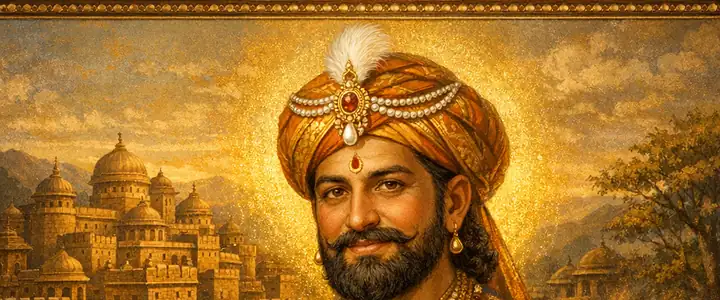
Agrasena
अग्रसेन
Maharaja Agrasena, in Agrawal tradition a Suryavanshi king, founded the city of Agroha in today's Hisar district of Haryana. The Agroha mound is real; the king and his date come from tradition.
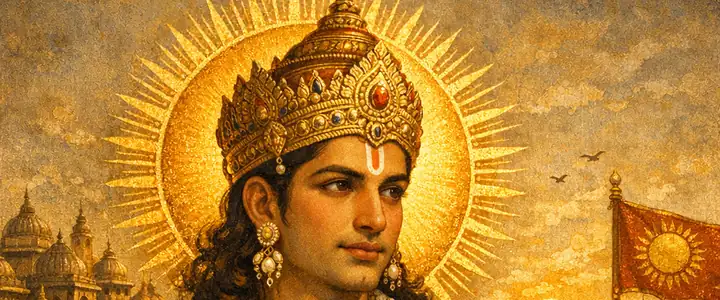
Ikshvaku
इक्ष्वाकु
Ikshvaku, son of Vaivasvata Manu, is the first king of Ayodhya and the founder of the Solar dynasty, which is also named after him. Hindu, Buddhist and Jain traditions each claim the line.
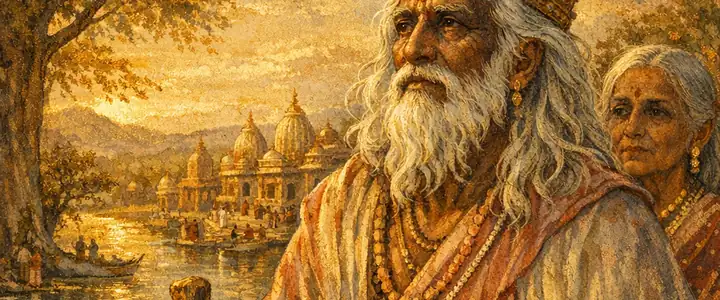
Raivata
रैवत
Raivata Kakudmi was a king of Kushasthali, the city later rebuilt as Dwaraka. In the Puranas he is the father of Revati, who married Balarama.
Ajamidha
अजमीढ
Ajamidha is a king of the Lunar dynasty, a son of Hastin of the Puru line, whose descendants include Kanvas who became Brahmins. His name stands in the pravara "Angirasa, Ajamidha, Kanva".
Ambarisha
अम्बरीष
Ambarisha is a king of the Solar dynasty whose name stands in the Angirasa pravara "Angirasa, Ambarisha, Yauvanashva". The Puranas know more than one king of the name.
Bharmyashva
भर्म्यश्व
Bharmyashva is a king of the Lunar dynasty, the father of five sons who are called the Panchalas. His name stands in the pravara "Angirasa, Bharmyashva, Mudgala".
Divodasa
दिवोदास
Divodasa is the name of a Rigvedic king of the Bharatas, a king of Kashi who teaches Sushruta in the Sushruta Samhita, and a Panchala prince. The texts do not keep them apart.
Mandhatri
मान्धातृ
Mandhatri, son of Yuvanashva, is a king of the Solar dynasty known for his birth from his father's side, his conquests and his fifty daughters. He is named in Angirasa pravaras.
Purukutsa
पुरुकुत्स
Purukutsa is a king named in the Rigveda, and in the Puranas a son of Mandhatri. His name stands in the Angirasa pravara "Angirasa, Purukutsa, Trasadasyava".
Somadatta
सोमदत्त
Somadatta is a Kuru prince of the Lunar dynasty in the Mahabharata, the son of Bahlika and father of Bhurishravas, who fought for the Kauravas. The Somadatta gotra on this site takes its name from him.
Yuvanashva
युवनाश्व
Yuvanashva is the name of two Solar kings that the Puranas keep apart: the father of Mandhatri, and the grandson Yauvanashva whose name stands in the pravara "Angirasa, Ambarisha, Yauvanashva".
Discover Your Rishi Heritage
Find which Rishi founded your family's Gotra and explore your ancestral spiritual lineage.
Start Your Family Tree — FreeAlso Explore
Looking for Gotra information? Browse our Gotra Directory with 107 Gotras, Pravara lineages, and regional distribution.